Roof Repair vs Replacement: How Do I Know When I Need a New Roof?
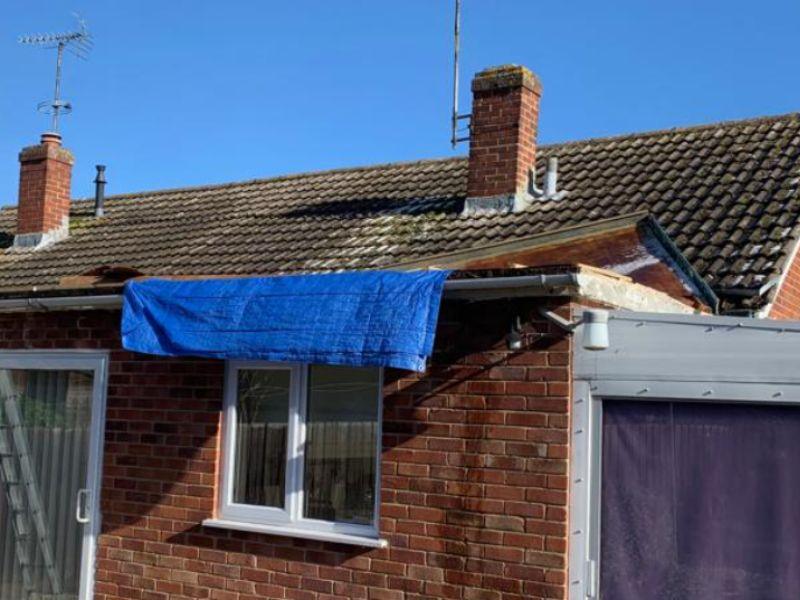
A roof leak does not automatically mean you need a new roof. The useful question is whether there is one repairable fault or deterioration across the roof system. A slipped slate or a defective flashing needs a different response from widespread failure of the covering and its fixings. SPAB's guidance makes the extent of deterioration, rather than age alone, central to the repair-or-reslate decision.[1]
For a homeowner in Cork, the next step should be an assessment of the actual roof, not a replacement quote based only on a damp ceiling or a birthday. Here is how to approach that decision.
How old is your roof?
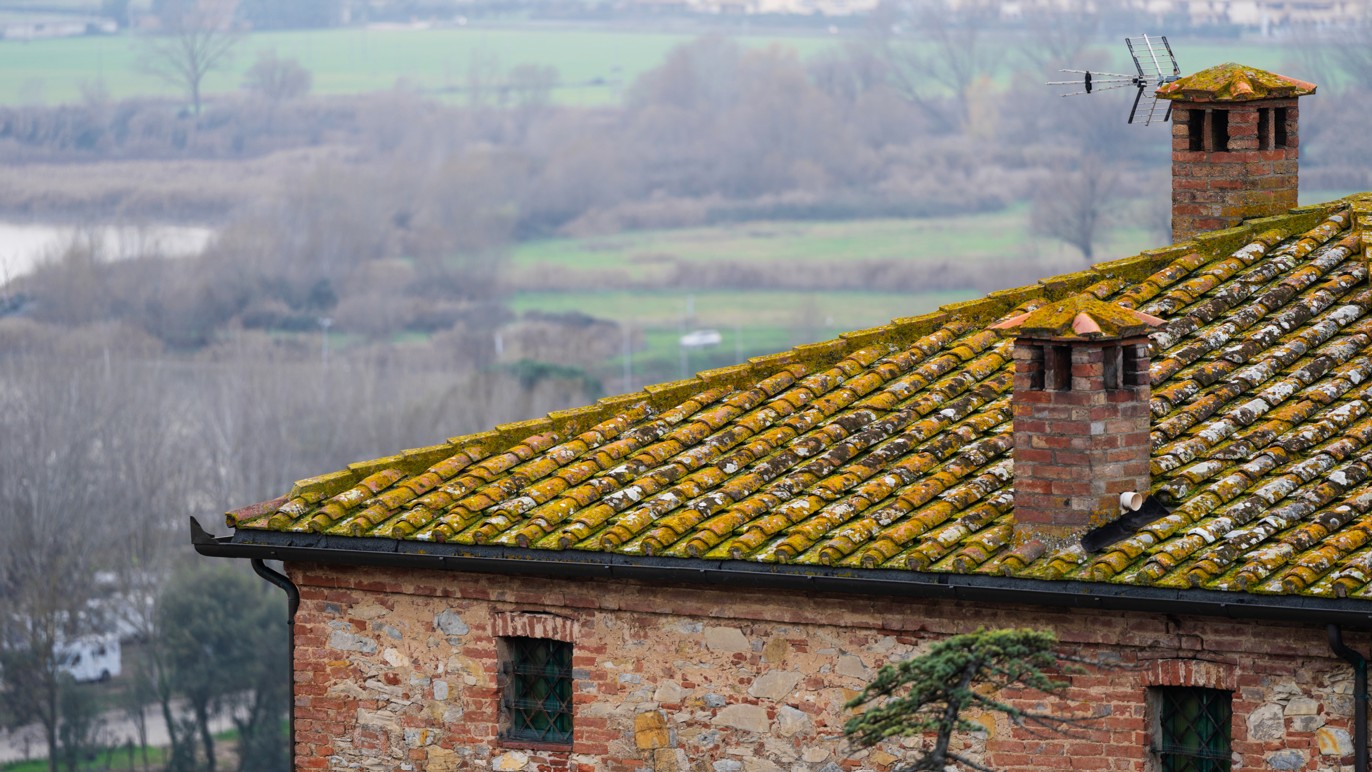
If your roof is around 20–30 years old, use that as a prompt to review its condition and arrange an inspection if you do not know how it is performing. This is not a universal lifespan or an automatic replacement threshold. A roof does not become unserviceable simply because it reaches a particular age.
Start by identifying the material: natural slate, manufactured slate, concrete or clay tile, or a flat-roof covering. Ask the roofer to assess the particular material and roof build-up rather than apply one age rule to all of them. For natural slate, SPAB notes that fixings and supporting timbers usually deteriorate before the slates themselves. Sound slates may be reusable even when other parts need renewal.[1]
If the installation date is unknown, gather any old invoices, previous inspection reports and records of repairs. Tell the roofer whether the problem is new or has returned after earlier work. Those details make the inspection more useful than guessing the roof's age from its appearance.
When a roof repair may be the right choice
A targeted repair is worth considering when the defect is localised and the surrounding roof is sound. SPAB identifies isolated slipped, broken or missing slates and faults at roof junctions as maintenance and repair issues.[1][2] Examples to discuss with your roofer include:
- A small area of damaged or displaced slates or tiles.
- A problem at the flashing around a chimney or where the roof meets a wall.
- A local ridge or hip defect, with the rest of the covering in serviceable condition.
- A rainwater or gutter defect that needs attention alongside the roof.
The important qualification is that the cause must be identified. Water staining can appear some distance from the point where rain entered, so repairing directly above a ceiling mark is not necessarily the answer.[2] Read about our roof leak repairs and roof leadwork and flashing services.
When replacement deserves serious consideration
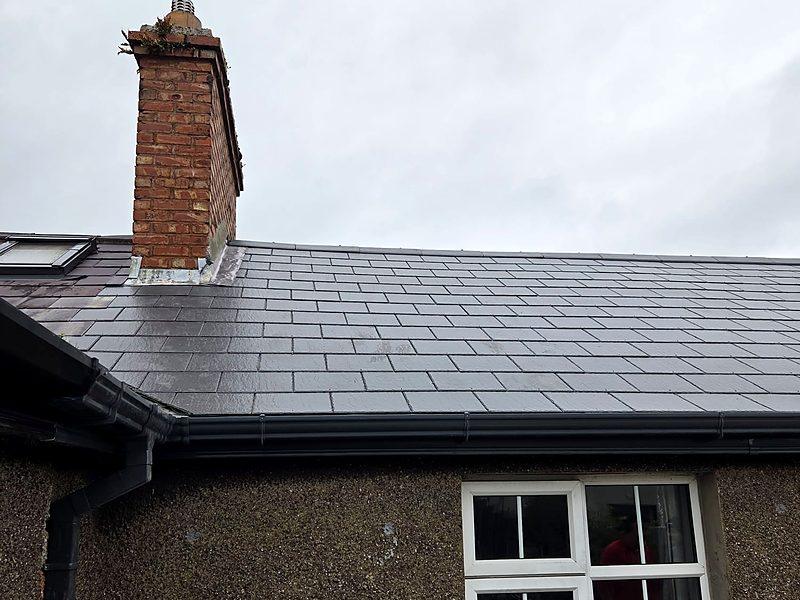
Ask for a replacement option when an inspection finds deterioration across substantial areas, rather than a single fault. With natural slate roofs, deteriorating fixings, damaged slates and decaying supporting battens can affect the decision. SPAB advises considering reslating when repairs are no longer cost effective, while also accounting for gutters and flashings.[1]
Useful questions include: are new defects appearing in different places? Are repeated repairs addressing separate symptoms of the same wider problem? Can the roofer explain why another patch would be reasonable, or why it would leave significant defects unresolved?
Replacement should have a defined scope. Ask whether the proposal means renewing the covering on one slope, re-covering the whole roof, or repairing structural timbers as well. Those are different jobs. Do not assume that a new roof covering automatically requires an entirely new supporting structure, or that a new covering alone resolves structural concerns. See our new roof installation service for the replacement route.
What should a professional roof inspection cover?
Request a clear explanation of what was inspected, what could not be inspected and what evidence supports the recommendation. Use this checklist to guide the conversation, not as a DIY inspection procedure:
- Covering and fixings: the extent of broken, slipped or deteriorated slates or tiles, or defects in a flat-roof covering.
- Underlay and battens: their condition where safely accessible, and whether further investigation is needed before a firm scope can be agreed.
- Supporting structure: any signs of movement or timber deterioration, and whether assessment by a structural engineer is needed.
- Flashings and junctions: chimneys, valleys, ridges, rooflights and wall abutments.
- Drainage and moisture: gutters, outlets, evidence of water entry and ventilation concerns.
SPAB highlights roof junctions, flashings, loose ridge and hip tiles, water staining and ventilation as important maintenance considerations.[2] Ask for photographs and a written scope so you can see the difference between essential work, further investigation and optional improvements.
What can you safely observe yourself?
Keep observations at ground level. Do not climb a ladder, walk on the roof or try to lift tiles for this check. Ireland's Health and Safety Authority says roofing materials should be assumed fragile unless a competent person confirms otherwise, and warns against undertaking roofwork without the necessary competence.[3]
- From a safe position on the ground, note obvious missing covering, displaced guttering or a change in the roofline.
- Photograph what you can see using your phone's zoom, without standing beneath loose material.
- Inside normal living areas, note ceiling stains, when they appeared and whether they change during rain.
- Keep a record of previous leaks and repairs to share with the roofer.
Do not enter a roof space just to investigate a leak if access or footing is uncertain. Keep clear of sagging ceilings, falling material and wet electrical fittings, and seek appropriate professional help. Ground-level observations can explain the symptoms, but they cannot establish whether hidden parts of the roof are sound.
Comparing repair and replacement costs without guessing
There is no useful one-price answer without a scope. Ask for a written repair option and, where the findings justify it, a replacement option. Compare what each includes rather than simply choosing the smaller headline figure.
- Safe access, scaffolding and any access restrictions.
- The area being worked on and the specified covering or materials.
- Work to battens, underlay, flashings, drainage and any identified timber defects.
- Removal and disposal of old materials.
- VAT treatment, exclusions and how unexpected defects would be priced and approved.
- Any proposed insulation or ventilation work, with applicable requirements explained for your property.
Ask what a repair is expected to achieve and what it will leave untouched. If replacement is recommended, ask why a smaller repair or partial renewal is unsuitable. SPAB's guidance supports considering whether repeated slate repairs remain cost effective, but that is an assessment of the actual roof, not a fixed spending percentage for every house.[1]
Repair or replace: a practical next step
If the defect is isolated and the rest of the roof is serviceable, a properly scoped repair may be the sensible route. If an inspection shows wider deterioration, compare renewal options with a clear explanation of what needs replacing and why. In either case, avoid treating one leak or an age of 20–30 years as a verdict on the whole roof.
Book a consultation with one of our roofers. We’ll call out for a free roof inspection. Book your free roof inspection or contact Cork Roof Repairs to discuss what you have noticed.
Sources and further reading
The SPAB references below concern traditional roofs, particularly natural slate. They are not a lifespan specification for every modern roofing product.
- SPAB: True slate roofing, deterioration, repairs and decisions about reslating.
- SPAB: Roof maintenance, roof junctions, leaks, flashings and ventilation.
- Health and Safety Authority: Working on fragile roofs, competence and roof safety.